
Freezing eggs is a fertility preservation procedure that allows women to store their eggs for possible use in the future. It may be an option if you want to delay pregnancy or need medical treatment that could affect your fertility. Freezing eggs is generally considered safe, but it involves hormone injections, an egg retrieval procedure, possible side effects and no guarantee of a future pregnancy. Understanding the benefits, risks and factors that affect success can help you make an informed decision.
What Is Egg Freezing?
Egg freezing, medically known as oocyte cryopreservation, involves collecting mature eggs from the ovaries and freezing them for future use. When you decide to try for a pregnancy, the eggs can be thawed, fertilised with sperm in a laboratory and used in an IVF treatment cycle.
Women may consider freezing eggs for different reasons, including personal plans, career or family circumstances, or medical conditions that may affect future fertility.
Egg freezing is different from embryo freezing. With egg freezing, the eggs are stored without being fertilised. With embryo freezing, eggs are fertilised with sperm before the resulting embryos are frozen.
Is Freezing Eggs Safe?
Yes, freezing eggs is generally considered a safe fertility preservation procedure when performed under appropriate medical supervision. It is an established technique used in fertility treatment, although, like any medical procedure, it carries some risks.
Most women complete the process without serious complications. Some may experience temporary discomfort from hormone injections or the egg retrieval procedure. Rarely, complications such as severe ovarian hyperstimulation syndrome (OHSS), bleeding or infection can occur.
The long-term evidence on some aspects of planned egg freezing is still developing. Your personal risk depends on your medical history, ovarian response, treatment protocol and other individual factors.
The Human Fertilisation and Embryology Authority (HFEA) provides further information about the procedure, its limitations and potential risks.
How Does the Egg Freezing Process Work?
Egg freezing usually involves several steps. Your fertility specialist will explain the treatment plan based on your age, health and fertility assessment.
1. Initial Consultation and Fertility Assessment
The first step is to understand your reproductive health and whether freezing eggs is suitable for you. Your doctor may ask about your menstrual cycle, medical history, family plans, medications and any conditions that could affect fertility.
Tests may include an anti-Müllerian hormone (AMH) blood test and an ultrasound to assess the antral follicle count. These help estimate ovarian reserve and how your ovaries may respond to stimulation. However, they cannot guarantee how many eggs will be collected or whether you will have a baby in the future.
If you have concerns about ovarian reserve, read more about low AMH and the possibility of pregnancy. For a broader understanding of fertility testing, see this guide to infertility assessment tests.
2. Hormone Injections
You will usually take hormone injections for around 10–14 days to help several eggs mature during the same cycle. During this time, your doctor monitors your response through ultrasound scans and, when needed, blood tests.
The medicine dose may be adjusted according to how your ovaries respond. Careful monitoring helps the clinical team manage the treatment and reduce the risk of complications.
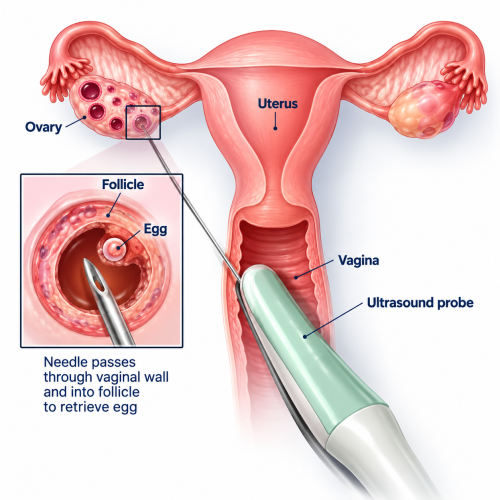
3. Egg Retrieval
Once the eggs are ready, they are collected through a short procedure, usually performed under sedation. A doctor uses ultrasound guidance and a fine needle to retrieve the eggs from the ovarian follicles.
You may experience mild cramping, bloating or light spotting afterwards. Most patients return home the same day, but you should follow your clinic’s recovery instructions.
4. Freezing and Storage
The collected eggs are assessed by an embryology team. Suitable mature eggs are frozen, commonly using a rapid-freezing method called vitrification, and stored under carefully controlled conditions.
When you are ready to use them, the eggs are thawed and fertilised in a laboratory. The resulting embryos may then be considered for transfer as part of IVF treatment.
What Are the Risks of Freezing Eggs?
Understanding the possible risks is an important part of deciding whether egg freezing is right for you.
1. Side Effects from Hormone Injections
Hormone medicines can cause temporary side effects, such as:
- Bloating or a feeling of fullness in the abdomen
- Mild abdominal discomfort
- Headache
- Breast tenderness
- Mood changes or fatigue
These effects are often temporary but tell your fertility team if symptoms become severe or worrying.
2. Ovarian Hyperstimulation Syndrome (OHSS)
OHSS occurs when the ovaries respond too strongly to fertility medicines. It can cause enlarged ovaries and fluid shifts within the body. Severe OHSS is uncommon but can be serious.
Contact your clinic promptly if you develop significant abdominal pain, increasing abdominal swelling, persistent vomiting, reduced urination or rapid weight gain. Severe pain, difficulty breathing, chest pain or fainting require urgent medical assessment.
Your specialist can select and adjust the stimulation protocol to help reduce this risk.
3. Risks During Egg Retrieval
Egg retrieval is generally a short procedure, but possible complications include:
- Bleeding
- Infection
- Injury to nearby structures, rarely
- Complications related to sedation
Serious complications are uncommon. Your doctor will explain the procedure, precautions and symptoms that require medical attention.
4. Emotional and Financial Stress
Freezing eggs can involve repeated appointments, injections, uncertainty and considerable expense. Some women may also feel anxious about future fertility or disappointed if fewer eggs are collected than expected.
Before starting, ask your clinic about the expected treatment costs, medication charges, annual storage fees and the costs involved in using the eggs later. Emotional support or counselling may also help you make a decision that feels right for you.
5. No Guarantee of a Future Pregnancy
One of the most important limitations is that freezing eggs does not guarantee a baby. Not every egg survives thawing, fertilises successfully or develops into an embryo suitable for transfer.
The chances of a live birth depend on several factors, particularly your age when the eggs are frozen and the number of mature eggs stored. Outcomes also depend on what happens during fertilisation and later treatment.
The American Society for Reproductive Medicine notes that evidence is not sufficient to give every woman a precise prediction of live birth after planned egg freezing. Your specialist should explain the uncertainties rather than promise a particular outcome.
What Is the Best Age for Freezing Eggs?
In general, eggs frozen at a younger age are more likely to have better developmental potential than eggs frozen at an older age. This is because both egg number and egg quality decline with age, although the rate of decline differs from person to person.
There is no single age that is right for everyone. Your decision should consider your current age, ovarian reserve, reproductive plans, medical history and the likelihood that you may use the stored eggs.
Freezing eggs later in reproductive life may still be possible, but fewer eggs may be collected, and the chance of success may be lower. A fertility consultation can help you understand the likely benefits and limitations in your individual situation.
Who Should Consider Freezing Eggs?
Egg freezing may be worth discussing with a fertility specialist if:
- You want to preserve the option of having a biological child but are not ready to try for pregnancy.
- You need certain medical treatments that could affect ovarian function.
- You have a medical condition that may put your fertility at risk.
- You want to understand your fertility preservation options before making future family-planning decisions.
Not everyone needs or benefits from egg freezing. A fertility assessment helps determine whether it is appropriate and whether other options should also be discussed.
Does Freezing Eggs Affect Future Fertility?
Egg retrieval does not usually reduce your future fertility simply by removing the eggs collected during that cycle. The stimulation process helps multiple eggs mature that would otherwise generally be lost during the natural menstrual cycle.
However, egg freezing cannot stop the natural ageing of your ovaries or protect against every cause of infertility. It also does not guarantee that you will conceive naturally or through treatment in the future.
If you are considering fertility treatment, your specialist can explain how egg freezing fits into your wider reproductive plans. You can also learn about how many IUI cycles may be considered before moving to IVF. IUI and IVF serve different purposes, and the appropriate option depends on your individual circumstances.
Questions to Ask Before Freezing Eggs
Before beginning treatment, consider discussing these questions with your fertility specialist:
- How might my age and ovarian reserve affect the expected outcome?
- How many mature eggs might I be able to freeze in one cycle?
- Could I need more than one cycle?
- What are my personal risks during hormone stimulation and egg retrieval?
- What are the total treatment and storage costs?
- What happens if I never use the frozen eggs?
- What are the realistic chances of a live birth using eggs frozen at my age?
Clear answers can help you weigh the potential benefits against the medical, emotional and financial considerations.
Considering Freezing Eggs in Ahmedabad?
If you are thinking about preserving your fertility, an individual consultation can help you understand your options without feeling rushed into treatment.
Dr. Ladu Dewasi, a gynaecologist and infertility specialist at Mayflower Women’s Hospital in Ahmedabad, can help you discuss your reproductive goals, review relevant fertility tests and understand whether egg freezing may be suitable for you.
Visit Dr. Ladu Dewasi’s clinic in Ahmedabad for personalized fertility and gynecology care.
About the Author
Dr. Ladu Dewasi is a Consultant Gynaecologist and Infertility Specialist at Mayflower Women’s Hospital in Ahmedabad. She provides consultations for women’s reproductive health and fertility-related concerns.
Medical references
- Human Fertilisation and Embryology Authority: Egg Freezing
- American Society for Reproductive Medicine: Planned Oocyte Cryopreservation
- American Society for Reproductive Medicine: Evidence-Based Outcomes After Egg Freezing
Medical Disclaimer: This article is for general educational purposes only and is not a substitute for professional medical advice, diagnosis or treatment. The suitability, risks and outcomes of egg freezing vary from person to person. Consult a qualified fertility specialist for advice based on your medical history and fertility assessment.